

There are many reasons why your cat could be experiencing stress in your home – maybe a new cat has arrived in the neighbourhood, or you recently had a baby or perhaps you just moved the sofa two inches to the right! Cats are very sensitive but will very rarely show that they are stressed until it is beyond a level where they can hide it. This means that your cat could be considerably stressed and unless you’re looking, you may not even know it!
What is stress in cats?
‘Acute’ stress is the result of a sudden stressful situation, such as taking your cat to a veterinary clinic. It’s fairly easy to tell when your cat is under acute stress as their eyes look larger, their breathing can become rapid, and they will often try to run away or may even lash out if running away isn’t an option – the stereotypical feline stress response. Fortunately, acute stress will usually pass when the trigger is resolved.
‘Chronic’ stress occurs when a cat is repeatedly or continually subjected to a stressful situation that they cannot get away from. The situation itself, such as a neighbourhood cat coming to sit outside the window each night, may not be as obvious to us humans and the signs can be subtle. Chronic anxiety can manifest in different ways – some cats will start urinating or defecating in inappropriate places while others may have a physical response and may develop cystitis, diarrhoea or start to overgroom.
So what can we do to help them?
Environmental changes
- Litter Trays – Even outdoor cats like the option of having an indoor toilet sometimes, especially during bad weather or if there is a particularly worrisome neighbourhood cat outside that is making them anxious. Homes with more than one cat would benefit from having more than one tray, and as a general rule it’s one per cat plus one extra. If this is not possible, having at least two in different parts of the house can help your cat get the privacy they need and avoid those unwanted little parcels on your favourite rug.
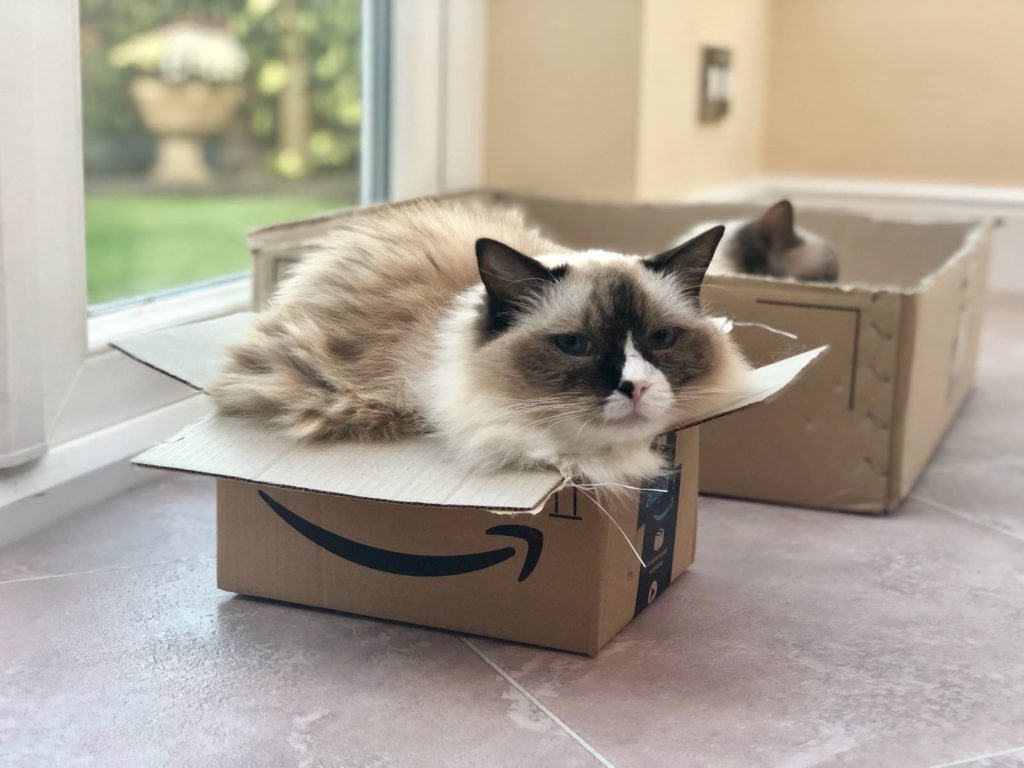
- Hide holes and tree tops – Cats that are not happy sharing a home or are easily spooked by visitors really benefit from having a few spots where they can hide away but still observe their environment. Providing lots of places to escape to such as cardboard boxes, under beds and behind curtains allow them the peace they need. Cats love to climb and feel safer up high, so tall scratch posts, shelves, or the top of the wardrobe give them a sense of security. Offering plenty of scratch posts throughout the home will help your cat mark the house appropriately and feel secure in their surroundings.
- Resources – Cats like to know that they have enough of the things they need – food, water, a private toilet, a safe sleeping place and, in some cases, you. Take time to groom your cat if that’s what they enjoy, concentrating on the areas around their face and avoiding the belly as most will not enjoy you touching this sensitive area. Be aware of your cat’s needs and be there for cuddles when they want them, not just when you do. When it comes to food and water bowls, provide more than one of each and put them in different places. Keep the food away from the water, and both away from the litter tray as cats prefer not to drink where they eat (a natural instinct for them as hunters) and no one wants to eat near their toilet!
- A room with a view – Cats love to be able to survey their kingdom, however if your neighbour’s cat is staring back at them, it can be quite distressing. Try providing an outdoor viewing space with areas to hide behind such as frosting (the static, non-adhesive type) on the lower part of a glass door or putting a cardboard box with a viewing hole in front of the patio door.
- Calming music or cat TV– Classical music has been found to calm cats and you can now find cat-specific audio and video programmes (for better or for worse…) online. Having the radio or TV on, especially while you are away, can not only provide stimulation but also redirect your cat’s attention to help prevent conflict between cats.
Pheromones and natural remedies
- Feline calming pheromones – A pheromone that mimics the “happy messages” released from different parts of the cat’s body when they scent mark (e.g. the face, mammary area and paws). Often supplied as a spray or diffuser, they are useful for reducing stress from outside sources such as a new baby or moving house. Diffusers should be used in the rooms where your cat spends most of their time and work best when the air is still (ie windows closed etc). There are several brands now available, be sure to read the label and use the one that is most appropriate for your cat’s situation as some pheromones are better at different types of stress than others.
- Other calming smells – Often made with Valerian root, these diffusers/sprays work with your cat’s own natural calming mechanisms by mimicking GABA (gamma amino butyric acid) which is a natural calming agent present in all mammals, even humans! Just be sure that whatever you are using is cat-safe and never allow your cat to come into direct contact with essential oils.
- Calming supplements – Different varieties are available from various companies, often including casein or L-tryptophan. Again, be sure to choose one that is specifically designed for cats to ensure it is safe.
Outside Spaces
If your cat has access to a garden (outdoor access is highly recommended for cats that feel stressed within the home) but needs a bit of help to feel secure, there are many things you can try:
- Catio – These enclosed patios are great for those really nervous cats (and owners) or those that live close to a busy road, providing a safe outside space. They can be as big or small as your space allows and should include both an area where your cat can hide away and a climbing space so they can keep watch from above.
- Cat proof fencing – This can be to either keep your cat in or keep others out. If your cat is intimidated by the local tom, they would probably appreciate him not being able to access their space.
- Bushes – it may seem simple but providing shrubbery where your cat can hide away but still see what is going on outside is a small but effective tool to happiness.
- Climbing space – If you are not lucky enough to have a good climbing tree in your garden then simulating this with outdoor climbing areas is a great alternative.
For further tips on reducing stress at home, visit https://icatcare.org/articles/stress-in-cats