


If your cat has fleas and has been given a prescription medication to treat them, here’s what to expect:
- Within 24 hours: Adult fleas on your cat are usually killed
- 1–2 weeks: You should see a big drop in flea activity (less scratching, fewer visible fleas)
- 4–8 weeks: Full clearance of the infestation, assuming you keep up treatment and clean the environment
Why does it take that long?
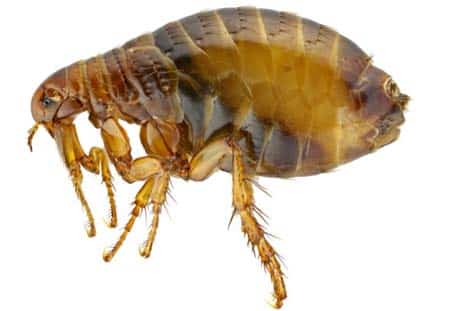
Fleas have a stubborn life cycle with multiple stages:
- Eggs (laid on your cat, fall into carpets/furniture)
- Larvae (hide in fabrics, cracks, bedding)
- Pupae (cocoon stage—very resistant)
- Adults (the ones you see on your cat)
Prescription flea treatments mainly kill adult fleas and prevent eggs from hatching, but:
- It doesn’t instantly destroy pupae, which can sit dormant for days or even weeks. No commonly used flea treatments reliably kill this stage (pupae are protected inside cocoons).
- New fleas can emerge from your home environment after treatment and jump back onto your cat.
So even though the medication is doing its job, you’re basically waiting out the “pipeline” of developing fleas.
What can you do to speed things up?
- Hoover carpets, hard floors, tiles and furniture regularly (this helps trigger pupae to hatch so they can be killed)
- Wash pet bedding in hot water
- Treat all pets in the household at the same time
Fleas may still bite your cat before they die, so some itching can continue for a while despite successful treatment. It is normal to still see some fleas for a few weeks after treatment, this does not mean the medication isn’t working. However, if after 4 weeks you are still seeing adult fleas, please do contact your vet for advice.