

The following is a practical guide for those looking to provide balanced, sensible care for cats with chronic kidney disease. It is not meant to be a thorough overview of the topic, rather a set of suggestions for owners looking to maximise their cat’s comfort whilst at the same time minimising their stress levels. There are many ways to treat cats with kidney disease and you may very well disagree with ours, in which case please check out some of the resources at the end of the article for more information.
Managing Chronic Kidney Disease at Home
A diagnosis of chronic kidney disease – also called CKD, chronic kidney insufficiency (CKI) or chronic renal disease (CRD) – is not the death sentence it used to be. You could think of it more as the beginning of a journey where the destination has yet to be determined. An incredibly common condition amongst older cats, we regularly diagnose this disease in various stages of severity. Depending on how poorly a cat is at the time of diagnosis, and how well their body manages the resulting changes, the prognosis can vary from a few short weeks of declining health in advanced cases to many years of symptom-free, happy life. Not that your cat spends their days contemplating this mind you – your cat cares very little about how long they have to live, and very much about how they feel on a daily basis. The management of chronic kidney disease, therefore, is almost entirely about their quality, not quantity of life, although the latter will of course also benefit from treatment.
The job of the kidneys is to filter waste products out of the blood and into the urine. By the time a diagnosis of chronic kidney disease is made based on changes in the bloodwork, the majority of kidney function has already been lost and this can’t be reversed, so it’s a matter of how long the remaining healthy kidney tissue can continue to filter the blood well enough to avoid a toxic build up of waste products in the blood. Not all kidney disease is chronic however, so it may well be worth confirming the diagnosis with further testing as there are other causes (such as infection, stones or toxicity) which may respond better or worse to various treatments. Feel free to ask your vet if they are confident that you are in fact dealing with a chronic loss of kidney function and request further testing such as a urine culture, ultrasound scans or x-rays if indicated.
Chronic kidney disease is diagnosed with blood and urine testing and if you care about the details, kidney disease can be staged. In fact, there is a whole society (the International Renal Interest Society – IRIS) dedicated to this exact topic, so if you are interested, ask your vet and visit www.iris-kidney.com. Staging is definitely helpful in terms of determining a prognosis and sometimes guiding treatment, but it’s equally important not to get too caught up with numbers and the inevitable rise and occasional fall of kidney values over time. Look at your cat, observe their behaviour to get a sense of how they feel, and let their comfort level be your guide more than some numbers on the page.
It’s worth saying that unless they have been given a very poor prognosis, try not to look at CKD as a terminal condition with all of the anxiety that comes with that, as many cats live full and happy lives despite their diagnosis. Instead, take each day as it comes and do what you reasonably can to ensure their comfort rather than worry about what lies ahead. Your cat certainly doesn’t worry about such things, and would undoubtedly prefer it if you didn’t stress too much over it either.
Treatment options
There is no ‘cure’ for chronic kidney disease, which means the list of possible treatments is longer than almost any other condition. Vets used to mostly say ‘there’s nothing to be done about it’, and you may encounter the odd vet who still believes this, but most feline-savvy veterinarians are aware of at least the basic treatment options. The problem now, therefore, is not ‘should we treat’, but ‘where do we start’?
Given so many options, it can help to look at it from a very practical point of view – what is likely to bring about the greatest health benefit, with the least amount of effort or stress for your cat? Our goal here is keep your cat’s life as normal and comfortable as possible, which sometimes means NOT pursuing a type of treatment that is causing them, or you, distress. Cats are individuals with their own opinions and preferences, so what works for one cat/owner may not be appropriate for another.
Nutrition
Ah, the great debate – to feed a special kidney diet or not?
Yes, prescription diets (such as those manufactured by Hill’s or Royal Canin among others) formulated for cats with kidney disease have been scientifically proven to help. So if your cat is already eating a Hill’s diet for example, or a standard supermarket food, it absolutely makes sense to (attempt to) transition them onto k/d. Just don’t try to make the switch when they are feeling unwell, as this could result in an aversion to the new food that you are trying to get them to eat.
The benefits of these diets usually include:
- a lower phosphate content (phosphate can build up and make them feel sick)
- a lower protein content (protein gets broken down into compounds which build up to toxic levels when the kidneys start to fail)
- a higher potassium content (CKD cats are often deficient in potassium due to increased urine production)
- added vitamin B12 and omega fatty acids, which many senior cats would benefit from anyway
Of these benefits, the phosphate restriction is probably the most critical. Protein restriction is debatable, as cats are carnivores and require a high amount of protein in their diets to maintain good health and muscle mass – that debate rages on and is beyond the scope of this article.
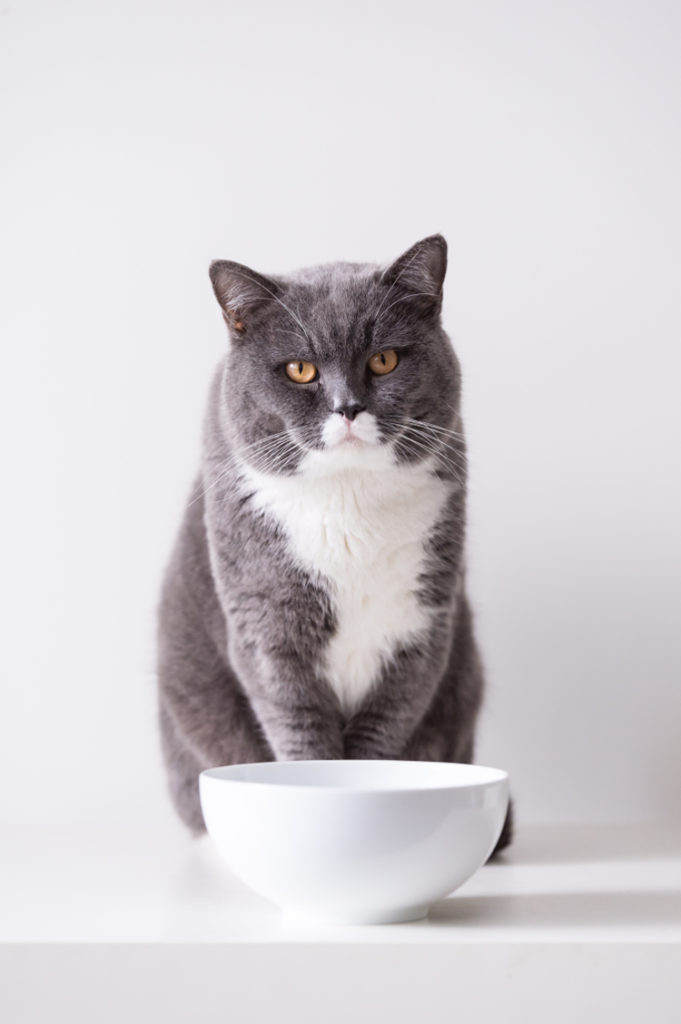
So by all means, if your cat is used to eating standard, highly processed wet food and kibble (as opposed to high-quality, high-meat, species appropriate cat foods – a topic for another day), give the kidney diets a try. If they’ll eat it… And therein lies the biggest problem with kidney diets – I am reliably informed by many feline patients that they don’t taste as nice as other foods. If you can successfully transition your cat onto a renal diet (please don’t confuse ‘renal’ or ‘kidney’ with ‘urinary’ as those are very different diets), and they eat it with enthusiasm, brilliant. But what you absolutely may NOT do, despite what your vet may appear to imply (they don’t really mean it), is offer your cat nothing but kidney food that they don’t want to eat, and watch them waste away from gradual starvation. That is not the good quality of life that we are trying so hard to maintain.
Which brings me to the number one rule of feeding cats with chronic kidney disease – the best diet for your cat is the one that they will eat. Full stop. If your cat that usually eats lovely posh foods now only wants to eat the supermarket’s own brand, so be it, some food is better than no food. Kidney disease can make them feel a bit nauseous (more on how to manage that later) so they can easily go off certain foods if they make an association between that food and feeling sick. So variety is usually your best friend. Go to the shop and get a few sachets of lots of different brands, flavours and textures so you can rotate between them as needed. Crush a few biscuits, treats or freeze dried meat powder on top. Warm the food slightly to make it smell better. Drizzle on some cat yogurt treat or sprinkle on a bit of catnip. Whatever works.
If you don’t want to feed a high carb, low protein kidney diet, or find (like many owners) that your cat prefers to eat a non-kidney diet, here are some things you can do to make their normal food a little more kidney-friendly:
- Add a phosphate binder – this is mixed into the food (spread the dose over all meals during the day) and prevents the body from absorbing all of the phosphate in the food. There are several varieties, such as calcium carbonate, lanthanum carbonate and aluminium hydroxide among others. Find one that your cat doesn’t hate and try to use it according to package instructions or speak with your vet for advice on dosing. If your cat will tolerate them in their food, they can improve the quality of their life by helping them feel less nauseous so it’s well worth a try. If they won’t tolerate the food additives, aim for foods with lower phosphate contents. As a general rule, stay away from a totally fish diet and aim for more poultry-based foods – there are lists of low-phosphate cat foods online made by people with more patience than me for those that want to pursue this further.
- Supplement potassium and B12 – this comes as a combined liquid supplement that many cats actually like the flavour of. But there are other options available to supplement separately if needed. These may give your cat more energy and help them enjoy a more active lifestyle as their disease progresses so again, definitely worth a try. Just check with your vet first to make sure their potassium level isn’t already too high.
There are many, many other things that you can add to your cat’s food in an attempt to slow the progression of their kidney disease. From a practical point of view, I don’t encourage them, as they are often given for the sake of the owner, so they can feel like they are doing ‘something’ to help, rather than for the benefit of the cat. Of course you may disagree, in which case feel free to give them a try. But as a general rule, loading your cat’s food up with a gazillion supplements when they are already struggling to eat enough food to maintain a good body condition just doesn’t make sense.
One final word about diet – unless your cat is 100% hooked on dry food and won’t even entertain the thought of wet food, it is generally better to feed cats with kidney disease a wet food diet. Better yet, add water to the wet food. Hydration is key (dehydration puts further stress on the kidneys), and dry diets are inherently dehydrating. If your cat will only eat dry food, definitely try a kidney diet. Otherwise, reserve biscuits for an occasional treat when needed, or for if your cat goes through a period where all they want to eat is dry food (which is, again, absolutely better than nothing!).
Environmental Modifications
As with any disease, it’s important to make sure your cat’s environment matches their needs. Never underestimate how much this can improve the quality of their life. Cats with chronic kidney disease will likely benefit from some or all of the following modifications, especially as their condition advances:
- Provide them with every opportunity to increase their fluid intake. Put water dishes all over the house, of varying sizes and shapes, and keep them full to the brim so they don’t have to upset their whiskers getting to it. Older cats often suffer from arthritis too, so offer tall pint glasses or wine glasses so they don’t have to bend down to drink. Add a few tablespoons of water to their wet food if they tolerate it. Flavour their water with tuna juice, boil a chicken breast and offer that water, or even use a bit of diluted cat milk or yogurt treat if needed. Purpose-made hydration supplements also exist, if your cat is that way inclined (not all are). Some cats love running taps or pet water fountains (others look at them like they are invaders from another planet). The more liquids you can get into them, the easier it is for the kidneys to flush out the toxins that build up in the blood. Besides, dehydration makes you feel rubbish, so let’s try to avoid it if at all possible. For more tips on how to get your cat to drink more, check out iCatCare’s guide to Encouraging Your Cat to Drink
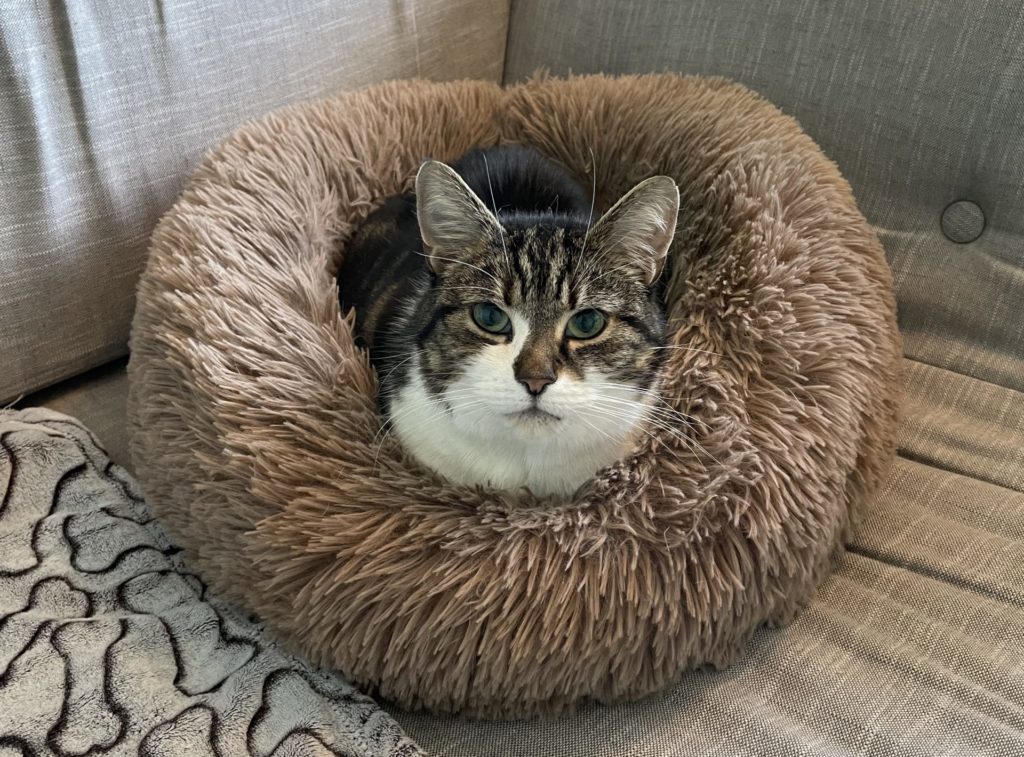
- Provide warm, soft beds. Kidney cats inevitably lose muscle mass and fat cover as their condition progresses, which can make getting comfortable and staying warm harder. Heated beds or heat mats/hot water bottles UNDER A SAFE LAYER OF BEDDING can provide a great deal of comfort and happiness.
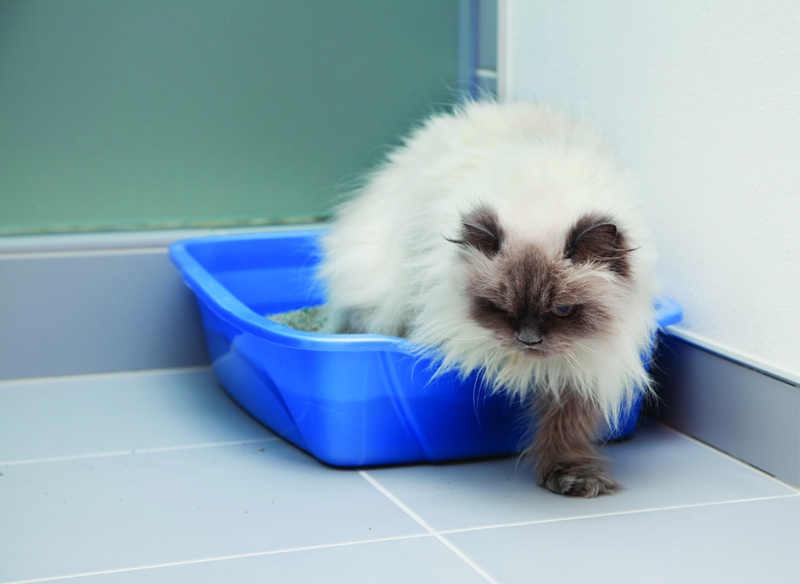
- Provide a litter tray, or preferably more than one. Cats with kidney disease need to urinate more frequently because their urine is more dilute, so make sure they don’t have to travel far to find a toilet. Please don’t force them to go out the cat flap and into the garden, even if that’s what they used to do and still sometimes prefer – give them the option of a tray or two should they feel the need to use it otherwise they may find your carpet an attractive alternative…
- Steps and ramps can help cats with decreased muscle mass get up to the high up resting places that they love.
- Similarly, make sure their food and water is in easy reach so they don’t have to travel far if they are feeling a bit weak.
Medical Treatments
I intentionally put this section last, because while medications can greatly improve the quality of life of cats with kidney disease, things like proper nutrition, tuna-flavoured water and a warm comfy bed are just as important. Once you have made your cat as comfortable as you can at home, here are some of the most common medications used to treat the various physical signs of kidney disease, organised by the symptom you are trying to improve:
Nausea
In terms of medical treatments for kidney disease, the absolute most important thing to manage is nausea. So many things can lead to nausea as the kidneys start to fail, such that it is almost inevitable at some point. In my opinion, nausea is as important as pain when it comes to its effect on quality of life. Nausea doesn’t always mean vomiting – if your cat is turning away from their food, going off foods easily or just not eating as much as they should, chances are they are feeling nauseous.
- Maropitant – by far the most effective treatment for nausea in cats is a product called maropitant. This can be given by injection by the vet or nurse, or it comes as a tablet (only officially licensed for dogs, but very safe and incredibly useful for cats) which you can give at home. Sadly it only comes a tablet, and it doesn’t taste particularly nice, although there is now a flavoured version available from the compounding pharmacy which you may find helpful. You can hide the tablet any number of ways and most people find a way to make it work, so please, if your cat may be nauseous, ask for a trial of maropitant, as it can transform the quality of your cat’s life.
- Ondansetron – for cats who can’t tolerate maropitant or who need something else in addition to maropitant to manage their nausea, this human medication can sometimes be used off-license for additional support
- Phosphate binders – as mentioned under the nutrition section, phosphate binders are also very important when it comes to managing nausea so definitely give these a try.
- Antacids – vets used to prescribe a lot of antacids with the hope that they were working, but recent evidence shows that they probably weren’t. There can be, however, a place for antacids in the treatment of kidney disease, so something like omeprazole may be tried in some cases. What antacids should NOT be used for, however, is the treatment of nausea INSTEAD OF maropitant. Maropitant is far more effective and should be the first line treatment for nausea in cats. While I’m on the subject, also not acceptable as a substitute for maropitant is metoclopramide (not an antacid, but a medication that speeds up the passage of food through the intestinal tract) – I still see some vets try to use this for vomiting in cats but other options are much more effective.
- Stool softeners – cats with kidney disease tend to be dehydrated, which can lead to constipation. If your cat’s stools are hard and dry, or they struggle to produce them, ask your vet for a stool softener such as flavourless PEG powder or if necessary, lactulose (a liquid which doesn’t taste particularly nice). Constipation can cause nausea, poor appetite and abdominal pain so it’s definitely worth treating if present.
Weakness
It’s hard to find the energy to maintain a normal, active lifestyle when your kidneys are constantly flushing a lot of nutrients out of your body. Dehydration can also make cats feel tired and weak. If we can help replenish what the body is lacking, we can make them feel a lot better.
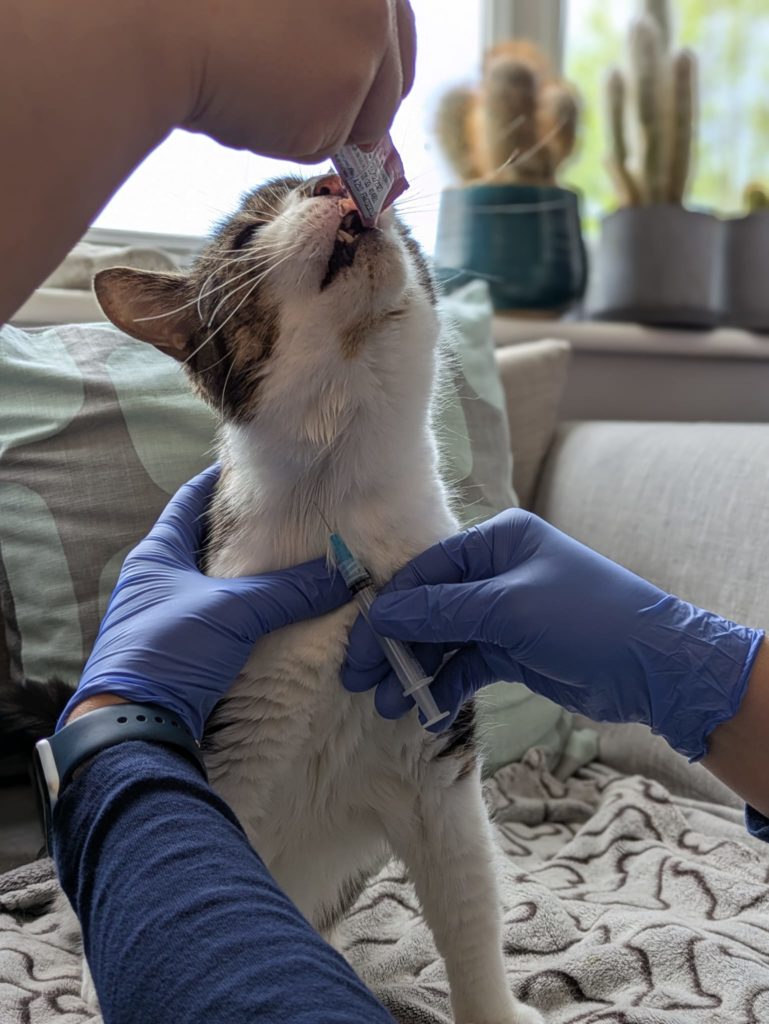
- Fluids, fluids, fluids – best taken orally, as the best type of treatment is one that your cat doesn’t even realise they are receiving. I have mentioned a few tips under the environmental modifications section above, but there are loads more, including a whole article on the subject thanks to iCatCare. If you can’t get your cat to drink as much water as they need to make up for what they are losing in their urine, you do have the option of giving fluids in other ways. If your cat is very poorly, fluids can be given intravenously in hospital for a few days, which can bring them back from the brink and put them into a more stable state of chronic, but manageable disease. Hospitalisation isn’t for everybody though, so if you feel this isn’t right for your cat, or if they have already been in hospital and now need more support at home, you as their carer can learn how to give fluids subcutaneously (under the skin, using a needle) at home. This may sound terrifying, but is actually incredibly straightforward and well-tolerated by a lot of cats so if you and your cat are willing to give this a go, speak with your vet. The frequency of administration will vary depending on how poorly your cat is, but even once a week can make a big difference to their quality of life. Again, it’s not for every cat, or every owner, but it is an option.
- Potassium – low potassium can cause muscle weakness so as mentioned in the nutrition section, supplementation can improve energy levels in cats with kidney disease. Just be sure to check with your vet first to make sure their potassium level isn’t already too high.
- Vitamin B12 – similarly, a lot of kidney cats are deficient in B12 and supplementation is incredibly safe and easy, so it is definitely worth giving supplements a try. You can also give this by injection, but recent studies have shown that the oral version is just as effective and a lot less hassle. B12 can also support the body’s ability to make red blood cells so can be helpful in cases of mild anaemia (a common cause of weakness in cats with kidney disease)
- Medications to treat anaemia – if your cat’s kidney disease has made them severely anaemic then these may be worth a try to help increase their red blood cell count (the cells that carry oxygen around the body). There is an injection or an oral medication that you can give at home and provided your cat doesn’t mind regular blood testing to ensure the dose is correct, this can be a great way to help them feel a lot better if anaemia is the cause of their weakness.
- Iron -if your cat is anaemic, especially if they are taking medication to treat their anaemia, they may also benefit from iron supplementation. Capsules are available, or an injectable iron supplement may be needed, but we have found that by far the easiest option for mild cases is adding a bit of iron water (original, not flavoured) to their food, if your cat doesn’t mind the taste. Work with your vet to get the correct product and dosage.
Weight Loss
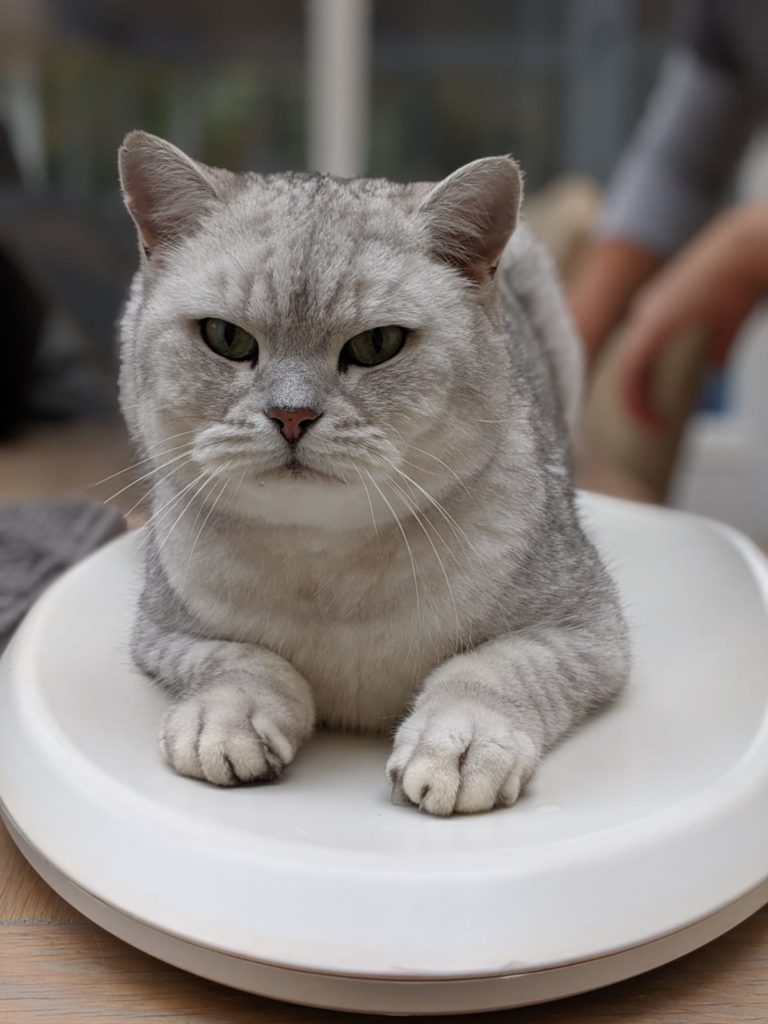
At some point, weight loss is inevitable as there is only so much the body can do to maintain normality despite failing kidneys. It is important not to give into this too soon however, as there are several causes of weight loss that you can actually do something about. Cats can absolutely have more than one disease at a time, so even if your cat already has a diagnosis of kidney disease, if they start to lose weight quickly, take them back to the vet for further diagnostics to rule out other conditions such as hyperthyroidism or inflammatory bowel disease and treat those if necessary. If it turns out that your cat is losing weight due to their kidney disease however, especially early on in their diagnosis, it is worth considering the following:
- Feed them something other than a prescription kidney diet. OK, not a medication, more common sense, but if your cat has a decreased appetite because they hate their food, they will probably eat more and gain weight if you feed them something they actually want to eat. Life is too short to eat bad food and it is far better to eat something than nothing. Similarly, some cats may find the protein restriction in kidney diets too severe, and will lose muscle mass as a result. So even though their blood values look better on the kidney diets, in themselves, they are not as healthy. It’s important to look at your cat as a whole here, not just a collection of lab values. See the section above on nutrition for more information on this.
- Mirtazapine – This is an appetite stimulant that can encourage your cat to eat more. The joy of mirtazapine is that all you have to do is apply a small amount of gel to the inside of their ear, which means they don’t even have to eat the medication (good for a cat with a poor appetite!). Appetite stimulants are great, but it is VERY important to remember that they should not be used in isolation. Making a nauseous cat hungrier is not helpful, it’s cruel, so address the nausea first. Mirtazapine does have a slight anti-nausea effect, but maropitant is usually far more effective and in fact, simply fixing the nausea may increase the appetite without the need for a stimulant.
- Capromorelin – A ghrelin receptor agonist, this is a newer medication that was developed specifically for cats with kidney disease who were losing weight. It is an oral liquid that can work quite quickly, and, like mirtazapine, is licensed in cats so a good place to start for those that need a little appetite support.
- Cyproheptadine – This is an older medication which is actually an antihistamine, and is a tablet that has to be given twice a day, but for cats who don’t respond well to other medications for some reason, it can be very helpful indeed.
- Buy some baby scales to weigh your cat at home. This avoids unnecessary vet visits and allows you to pick up on weight loss more quickly. Don’t do it too often though, once every 1-2 weeks is sufficient and don’t get too fixated on small changes as some variation from day to day is normal – it is a general downward trend that could be cause for concern.
Other medications that may sometimes be used:
- Benazepril – A lot of vets put cats on this medication as soon as a diagnosis of kidney disease is made, but actually its benefit is debatable until they start to lose significant amounts of protein in their urine (a urine test is required to determine whether or not this medication is warranted). It can help stop protein loss in the urine, which in turn can help slow weight loss, so certainly can be helpful. It can also have a minimal effect on lowering blood pressure. Cats don’t usually like taking medicine though, so if they don’t need it, I tend not to prescribe it to keep stress levels lower for all involved. This medication should not necessarily be used in very severe kidney disease, so speak with your vet as their condition advances to see if it is still appropriate.
- Telmisartan – This medication is similar to benazepril in that it slows protein loss through the urine. It also has the benefit of being a liquid, which some cats find more tolerable. Even better, it has a side effect (especially at higher doses) of lowering blood pressure, which is helpful for a lot of cats. Again, it is only indicated a certain points during the progression of kidney disease so not all cats will benefit from it, but it may be something that your vet recommends and can help slow weight loss due to excessive protein excretion in some cases.
- A note about other medications that your cat may already be on – some drugs get metabolised by the kidneys, which means that they could be either less safe or more potent in cats with declining kidney function. If your cat is on other medications when they receive their diagnosis (especially certain types of pain care), please ask if these are still safe or if the dose may need to be altered accordingly.
Struggling to give your cat medication? Check out our guide for some handy tips! Although for cats with kidney disease, hiding their medication in their food (other than the phosphate binder which has to go with the food) could cause them to stop eating that food, so use this option with caution.
Diagnostic tests and ongoing monitoring
Sometimes your cat doesn’t seem happy, and despite all of the above, they just don’t feel right. If this is the case, I highly recommend additional testing. All cats with kidney disease should have their blood pressure checked regularly for example, so please arrange this if you haven’t already had it checked. Similarly, a blood or urine test may uncover secondary conditions that might respond very well to treatment such as low potassium or a urinary tract infection. So if your cat’s symptoms indicate a problem, or if you aren’t sure, then further testing is definitely warranted.
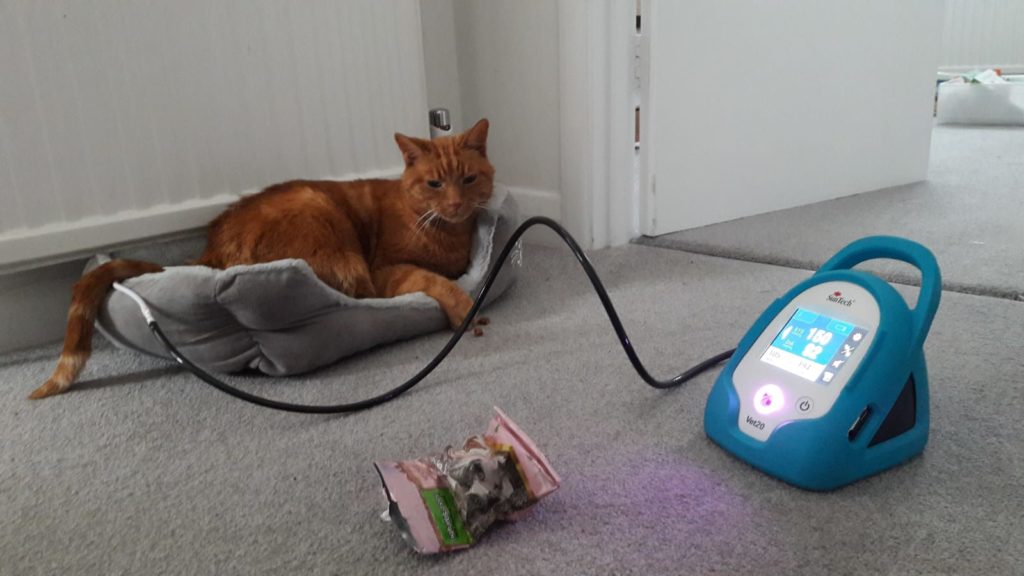
Urine tests are pretty easy in most cases, and can be collected at home with the help of some special litter for the tray (yes, with good hygiene measures in place, you can often send a litter tray sample off for culture if you know how to interpret it). Even a blood test isn’t really that much trouble for your cat in most cases (mild sedation such as gabapentin or perhaps a home visit if your vet is willing to travel), although if you feel the amount of stress required to get the sample outweighs the benefit, please discuss this with your vet.
Now, I’m not a huge fan of regular diagnostic testing simply for the purpose of monitoring the progression of disease (in other words, gathering data just for the sake of knowing). What good does it do your cat to know that their creatinine level has increased by 20 points over the past 6 months? Is that going to improve the quality of their life? As with any treatment, make sure you understand why a particular test has been recommended and what your cat is hoping to gain from the results.
That caveat aside, there are some very useful tests that should or may need to be done regularly when your cat has chronic kidney disease. This is because kidney disease changes other things in the body that may also require treatment. These are the big ones you need to keep an eye on:
- Blood pressure (SUPER IMPORTANT) – kidney disease can result in hypertension (high blood pressure). If your cat has been diagnosed with kidney disease, their blood pressure should be checked at regular intervals if at all possible to avoid complications such as blindness, further organ damage and considerable discomfort. High blood pressure may or may not cause visible clinical signs, so you can’t rely your own super cat senses to tell you if they have it. If your cat gets very stressed at the clinic (which could result in falsely elevated readings), consider mild sedation or arrange a home visit if possible. Blood pressure is easy to treat, and can make them feel a whole lot better, so this is well worth the effort.
- Phosphate, potassium and calcium – If you’re running a blood sample anyway, or if your cat’s appetite or weight has dropped recently, make sure you keep an eye on these guys. As previously discussed, high phosphate levels can make them feel sick and low potassium can make them feel weak, so supplement as indicated. Calcium is a bit trickier, both in terms of testing and knowing how to interpret the results. Small abnormalities may not be a problem, whereas large increases in calcium can predispose cats to bladder or kidney stones and affect their metabolism in other ways. Unfortunately some phosphate binders in some cats can result in high calcium levels, so if your vet suspects this, it may be worth considering a different product.
- Protein loss – failing kidneys are bad at filtering things, so like a damaged sieve, some things get through that shouldn’t. Protein is one of those things. As mentioned previously, cats need lots of protein to maintain good body condition and health. If your cat is losing weight, a urine sample (but make sure it is a urine protein:creatinine ratio you are getting, not just a dipstick result) can tell you if your cat is losing too much protein in their urine, in which case there is medication that can help this as mentioned above.
- Urine infection – similarly, dodgy kidneys let too much water into the urine. Not only does this lead to excessive urination and dehydration, but for the sake of monitoring, it makes the urine very dilute. Dilute urine is a much nicer environment for bacteria to take up residence, so cats with kidney disease are more prone to urinary infections. Symptoms of urinary tract infections include everything from obvious cystitis signs (painfully urinating lots of small puddles +/- blood) to a few subtle behavioural changes (which can easily be misdiagnosed as dementia or cognitive dysfunction). If your cat has recently changed their behaviour, or if you are running a urine sample to check protein levels anyway, ask about sending it off for culture to rule out infection.
One final note regarding ongoing monitoring – chronic kidney disease usually marches along at a pretty steady pace, but occasionally cats can have a sudden flare up where things get much worse very quickly. Sometimes this is due to another complicating illness, such as a urinary tract infection, or perhaps after surgery or the onset of treatment for another disease. In this case, please speak with your vet, as further diagnostic tests are likely required and you may need to decide whether hospitalisation for IV fluids is appropriate for your cat.
At some point, there will likely come a time (either suddenly, or slowly progressively) when sadly your cat’s quality of life is no longer acceptable. This can be a very tricky call to make, especially if changes occur slowly as you are less likely to notice them on a day to day basis, so if at any point you have any concerns regarding your cat’s quality of life, please don’t just watch them suffer, contact your vet to discuss the best course of action. As much as we would like our feline friends to live forever, their main concern is for their daily comfort and happiness so if these can’t be maintained, with or without the treatments mentioned in this article, please speak with your vet regarding next steps.
Summary and Sources
Believe it or not, that is just a brief introduction to managing chronic kidney disease in cats. For those with plenty of time on their hands who would like to learn more, the internet can be both helpful and dangerous, as you can’t always trust what you read. Stick with reputable sources like iCatCare, Cats Protection, and Cornell University’s Feline Health Center (for an American perspective). iCatCare’s guide for owners of cats with chronic kidney disease is particularly helpful as another good summary. To learn even more from an owner’s point of view, consider Tanya’s Comprehensive Guide to Feline Chronic Kidney Disease. Just be careful not to get dragged into the details of treatment and remember to focus on your cat as a whole.
For those of you with a bit less time, or if your cat is less keen on medical interventions, here is a quick guide summary of the things that I think will make the most difference to their quality of life. Because at the end of the day, that’s what it’s all about!
- Diagnostic tests
- Blood test to confirm a diagnosis of kidney disease, +/- a second blood test a few months after initial diagnosis to confirm the disease is actually chronic (long-term)
- Blood pressure check every 3-12 months, if at all possible
- Blood test every 6-12 months to monitor progression, check potassium and phosphate etc
- Urine test every 3-12 months to check protein levels and rule out infection
- +/- Ultrasound scan/x-rays to rule out stones/tumours/congenital kidney abnormalities
- Health checks
- Full vet exam every 6-12 months, nurse check (for weight, hydration etc) every 3-6 months
- Nutrition
- Whatever food they will eat, preferably wet food, possibly a kidney diet
- Environment/Nutrition
- Water, water everywhere – extra water available in the house and added to food
- Consider a heated bed and plenty of quiet places to rest
- Make sure their food, water and beds are easy to reach
- Please give them a litter tray indoors
- Medications
- Maropitant, if needed for vomiting, poor appetite or weight loss
- Phosphate binder in the food (to prevent nausea)
- Stool softener if needed for constipation
- Blood pressure medication if indicated for high blood pressure
- B12/Potassium supplement (unless potassium elevated on bloods)
- Telmisartan/benazepril if indicated for protein loss
- Mirtazapine/capromorelin/cyproheptadine to stimulate the appetite, if nausea has already been treated
- Subcutaneous fluids as needed to treat dehydration
- Iron supplementation for mild anaemia
- Medications as needed for significant anaemia
A kind note for particularly scaredy cats – if your cat finds all of this incredibly stressful, seriously consider whether the benefits of treatment will outweigh the stress of receiving it. Cats live for today, and their priority is always to feel comfortable and safe. It’s definitely worth giving diagnosis and treatment a try however, as you may be pleasantly surprised by how much your cat will put up with without too much stress. I have emphasised the most important treatments in bold, so that would be a good place to start. But if your cat absolutely refuses to take medicine (assuming you have given it your best effort using all available resources) or sit still safely for a blood test, its OK to respect their decision.
If, on the other hand, you have one of those cats that just takes life in his stride and medication with his breakfast, I’ve put the slightly more intensive treatments in italics. If you think your cat wouldn’t mind the extra hassle, go for it! Very best wishes as you start this journey and as always, if you have any questions or concerns about your cat’s care, please speak with your vet.